


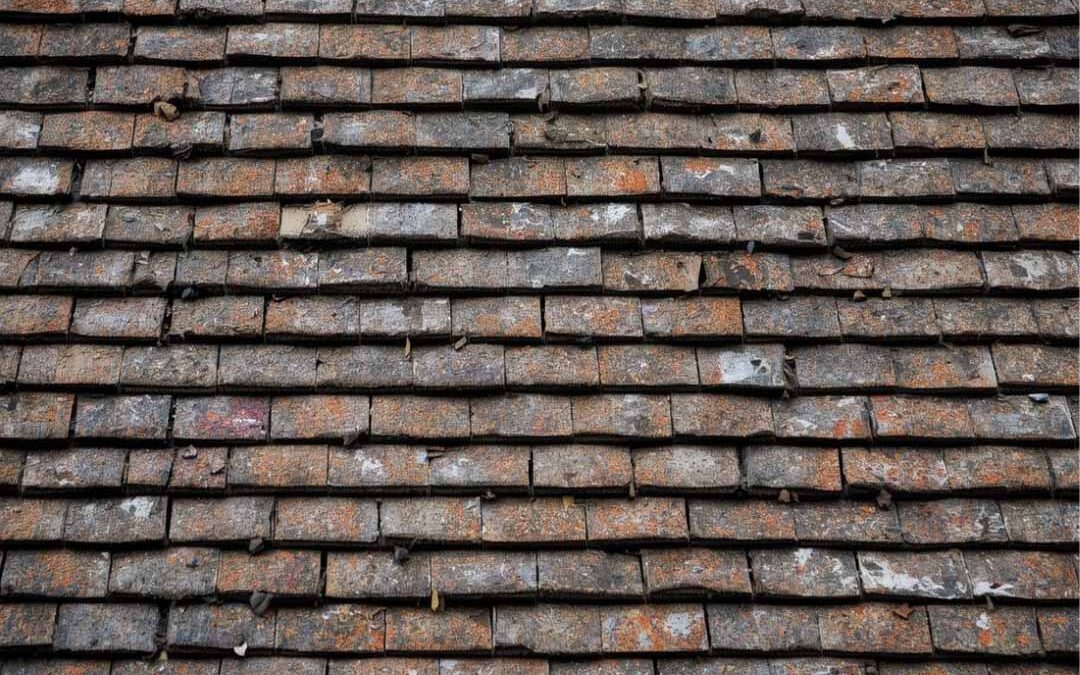
Most homeowners view their roof as a “set it and forget it” part of the house. However, time is a constant factor in the health of your home’s primary defense. While a roof is designed to last decades, the gradual degradation of materials can lead to significant financial hurdles—especially when it comes to filing an insurance claim.
Understanding the transition from a sturdy roof to a liability is key to protecting your property and your wallet.
How Small Gaps Lead to Major Expenses
Roofing materials are under constant stress from UV rays, temperature fluctuations, and moisture. Over time, this exposure causes physical changes that might not be visible from the ground:
- Shingle Decay: As shingles age, they lose their protective granules and begin to crack or curl.
- Seal Failure: The seals around vents, chimneys, and skylights are often the first points of failure, wearing down until they are no longer watertight.
- Expansion and Contraction: Seasonal changes cause materials to shift, creating tiny openings in the structure.
These microscopic entry points allow water to infiltrate the home. What starts as a small drip quickly evolves into wood rot, attic mold, and interior ceiling stains. By the time you notice a brown spot on your ceiling, the structural damage behind the drywall is often already extensive and costly to remediate.
The Insurance Connection: Why Claims Get Denied
One of the most common reasons homeowners see their insurance claims limited or denied is “wear and tear.”
Standard homeowners insurance policies are designed to cover sudden and accidental damage—like a fallen tree or a severe hailstorm. They are not maintenance contracts. If water damage occurs because an old roof was neglected, the carrier may determine that the loss was preventable.
Common scenarios for claim limitations include:
- Negligence: If an adjuster finds that shingles were cracked and seals were worn long before the leak started, they may deny the claim based on a lack of proper maintenance.
- Roof Age Depreciation: Many policies switch from Replacement Cost Value (RCV) to Actual Cash Value (ACV) once a roof reaches a certain age (often 15–20 years). This means the payout for a claim will be significantly lower due to the roof’s age and condition.
- Pre-existing Damage: Small gaps that existed prior to a storm can complicate a claim, as it becomes difficult to prove the storm was the primary cause of the leak.
Protecting Your Home and Your Investment
Staying ahead of roof aging is the most effective way to secure your coverage. Regular inspections allow you to identify cracking shingles or failing seals before they invite water inside. By addressing these minor issues immediately, you create a documented history of care, which can be invaluable if you ever need to file a claim after a major weather event.
Don’t wait for a leak to reveal the age of your roof. Proactive repairs are a fraction of the cost of a full mold remediation project or a denied insurance claim.